Best Dog Probiotics

If you noticed that your dog's stomach has been bothering them and they seem to have diarrhea or constipation more often, your dogs' vet may recommend that you put your furry best friend on probiotics.
Here are some of the healthiest ones that you can give your dog along with a few answered questions you might have about the probiotics.
Top 5: Dog Probiotics Review
Product Image & Rating (Out Of 10) | Product Name | Price |
|---|---|---|
9.9 | ||
9.8 | ||

9.6 | ||

9.4 | ||

9.2 |
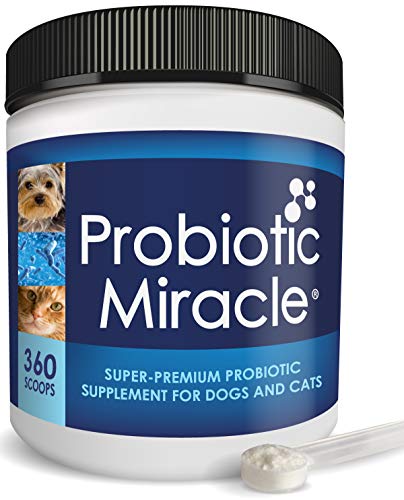
This is one of the few powder formulas on this list, and it is one of the most reliable formulas, too. You can start to notice a change in your dog's habits within only a few weeks or so after giving them the formula on a regular basis, and the effects can last for a few weeks afterward.
It is a little more expensive than some of the other products, but that is partly because this is also one of the largest containers. It has roughly 360 servings per container, meaning it can last your dog as long as 8 months or more depending on their size and need for it.
It is also safe enough to be used with cats, too, and because the powder does not have a strong flavor or smell, it can mix pretty nicely in with food without your pet realizing it.
Pros
Cons
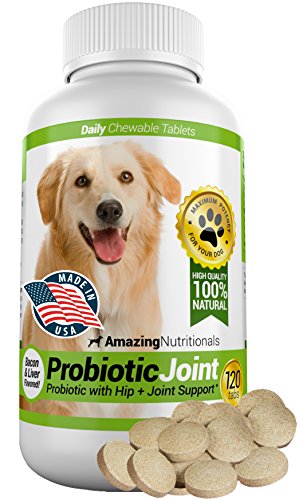
These are the only 'tablets' on this list, and they are one of the best options for senior dogs. If you have an old dog or a large dog that tends to have joint or hip weakness, these tablets can help them to get stronger and healthier along with the regular use.
They can smell a little more strongly than the powders, which can possibly make your dog avoid them, but they can be broken up and thrown in with some dry or wet food easily enough.
A single bottle has about 120 chewable tablets that can last as long as 3 to 4 months if your dog takes them nearly every day.
Pros
Cons
This is another powder formula, like the first product, but this one actually comes in pre-measured packets so that you do not have to spend more time measuring out the serving.
It does expire a little faster than the tablets and chewables, but if you have a dog that needs them frequently or you have several dogs that need them, you can get the box of 30 packets in a 1, 3, or 6 pack that can last you longer.
Just like the first product, it is fairly easy to mix in with wet food, too.
Pros
Cons
These chewables are a little more pricey when compared to how many servings there are in the container, 90, but they are one of the more preferred brands out there that your dog might enjoy.
Like the last product, this one is light enough to be used by dogs of all ages, and most seem to enjoy eating them by themselves without being mixed in food. However, it can take a little longer for the effects to kick in because of the lighter formula.
You might not notice any changes for the first few weeks, but once the effects start showing, they can last for just as long. You can also get these same treats that can help with strengthening their immune system.
Pros
Cons
The last on the list, these are one of the most affordable probiotic treats out there, and they are soft chews like the last product.
They come in an ice cream-like container and hold 120 servings, depending on your dog's size, that can last about 3 months or so. You can also get them in a 2-pack for if you have a larger dog, several dogs, or you like to keep an extra container on standby.
You might find your dog gets darker teeth after eating them, but do not worry since this can be pretty common because the natural ingredients can stain teeth. A simple toothbrush or cleaning bone can help remove the stains pretty quickly.
Pros
Cons
Best Dog Probiotic
When looking at all of the products and how they are likely to work with your dog, the best one would have to be the first one: the NUSENTIA Probiotic Miracle Dog Probiotics for Dogs.
It is one of, if not, the largest container of probiotic, can be used with dogs and cats, and is mild and malleable enough to be hidden in your dog's food without them knowing and avoid it.
Frequently Asked Questions
What Can Probiotics Do to Your Dog(s)?
Probiotics can help to regulate your dog's digestive system, which can help prevent constipation and diarrhea from age, stress, and food changes. They can also help to flush out parasites and ease the effects that certain medication has, too.
When Should You Give Your Dog a Probiotic?
You should first talk to your dog's vet before giving them probiotics, especially if they are having some digestion or stress issues. Once they give the okay, then you can choose the best probiotic for your dog based on what they need.
From there, you can either follow the instructions on the box or follow the vet's instructions based on what is best for your dog. Usually, you will have to give them to them either during breakfast or dinner with their usual food.
How Should They Be Given to Your Dog and Stored?
If your dog is a little stubborn when taking the medicine, which most usually are, then you may want to try stuffing it in a slice of cheese or mixing it in with their food.
Your dog may notice this and start to avoid their food. If this happens, then you can try chopping the treat up into small pieces and give it to them with some wet food or ground meat, if their diet allows it.
Facts About Probiotics For Dogs
The benefits of these cultures include:
- Immune system-boosting
- Vitamin and nutrient production
- Assistance in digestion
Probiotics for dogs help restore healthy microbes that have been destroyed or damaged. Some of the effects of a loss of friendly bacteria include digestive problems and poor overall health, possibly leading to chronic disease.
According to the AKC, the term probiotic comes from the Latin word for "for" and Greek word for "life." One of the things that dog owners can expect from dog probiotics is a good life for their pet.
Beneficial microbes, in addition to probiotics, can also take the form of prebiotics. These microbes help promote the heath bacteria that is already present. Some of the sources for probiotics include:
- Dog foods with quality ingredients
- Chew treats
- Capsules
- Powder
- Kefir or yogurt with live cultures
You do, however, want to be careful about which probiotic products you choose. While the right ones have a lot of benefits for dogs, the wrong ones may be ineffective or even harmful. Always choose with your dog's most significant needs in mind.
Reasons to Consider Probiotics
Probiotics are a go-to solution for many people whose dogs have recurring diarrhea. When dogs take a visit to the vet, for example, or go on a trip where they are away from home for several days, stress-related diarrhea can result.
The good news is that probiotics for dogs can alleviate these and other stomach upsets. In some cases, the use of probiotics reduced a need for antibiotics when treating stomach infections, allowing for a quicker recovery.
Canine probiotics make it easier for dogs to digest their food so that they get the most out of each meal. Some breeds have more sensitive digestive systems than others. Others transition to new foods more easily with the help of one of these products.
Dogs that have been on multiple rounds of steroids or antibiotics may also have a loss of beneficial gut bacteria. Using probiotics is an excellent way to restore these microbes for better digestion and giving the immune system a boost.
Buying Probiotic Products for Dogs
According to Gail Czarnecki-Maulden, Ph.d, a FortiFlora developer, probiotics are delicate living things", adapted to live inside a dog's GI tract.
Temperature extremes, as well as air or moisture exposure, can reduce the effectiveness of these organisms. For better protection against these conditions, many of these products come in individual packets for easier storage.
Some important things to remember when buying probiotic products:
- Always check the use-before date
- Look for a guaranteed live bacteria analysis to ensure that more of the bacteria will still be alive at purchase
- See what specific strains are in the product, as some are immune-boosting, others are anti-inflammatory, and not all will work together
The bacteria your dog produces to digest his or her food play an essential role in their overall health, in addition to helping with digestion, providing nutrition, and strengthening the immune system.
Did you know that according to Dogs Naturally your dog has ten bacteria for every cell in their body? As you will see, the good intestinal bacteria have an essential part to play, ensuring better nutritional benefit from your dog's food.
This collection of bacteria is known as a microbiome. With the ratio of bacteria to cells in a dog's body, the microbiome amounts to nearly twice the size of the dog's liver. The relative size underscores the microbiome's importance.
These bacteria are helpful to your dog because of their presence in the dog's intestinal tract. The relationship between the bacteria and your dog's digestive tract is symbiotic, with the dog receiving digestive help and the bacteria a safe harbor.
How Does Friendly Bacteria Help?
Every part of your dog's digestive tract contains bacteria. The stomach contains the least amount of bacteria, and the amount of bacteria grows, leading away from the stomach through the intestines.
The colon contains the highest amount of friendly bacteria in the digestive tract. These bacteria are beneficial within the gastrointestinal tract, but possibly harmful outside of the digestive tract.
Each dog's digestive system contains six essential families of bacteria that help break down foods, and account for 99% of bacteria in the digestive system. The use of probiotic products helps your dog maintain healthy levels.
The microbiome in each dog's digestive system is unique, depending on diet and other factors. Supplementing with the right digestive products helps ensure that your dog's digestive tract stays in optimal condition.
What Foods Do These Bacteria Digest?
When your dog eats, their feed also supplies the healthy bacteria needed for proper digestion. Supplementing with probiotic products helps keep this process moving as smoothly as possible.
One of the nutrients essential for dogs' health that they cannot digest without bacteria is fiber. The most important types of fiber are soluble fibers, which break down in the colon with the help of the bacteria.
Some of these sources include:
- Methylcellulose, a chemical that extracts from cellulose
- Guar gum
- Popular grains
- Chlorella and seaweed
- Beta-glucan derived from mushrooms
- Fruit pectin
Using supplemental probiotic products helps your dog's digestive processes work more smoothly. These products contain the types of bacteria that help your dog digest ingredients in preferred foods much more quickly.
How Probiotics Boost the Immune System
Although many pet owners buy probiotics for dogs mainly because of digestive concerns, probiotics are also one of the best ways to help protect your dog's immune health. Probiotics help protect your dog's immune system through a unique process.
Probiotics create byproducts known as short chain fatty acids that have a strong impact on your dog's immune system, as well as contribute to overall health by:
- Allowing for easier absorption of nutrients like iron, magnesium, and calcim
- Safeguard against food allergies
- Build T-cells to help protect against inflammation
- Lower glucose levels which prevent obesity and metabolic disease
- Preventing "leaky gut"
- Forming a mucus layer for protection
- Promote growth of beneficial bacteria and prevent the growth of bad bacteria
Good bacteria, including those contained in probiotic products, help form a protective barrier against allergens, heavy metals, and other toxins. These bacteria can help form up to 90% of your dog's immune system.
Any fungi or bacteria bad for your dog's health can be effectively crowded out of your dog's digestive system. The good bacteria can help play a role in preventing dental disease and vaginitis.
Good bacteria can help impact a dog's mood and help produce more serotonin. Better brain function is another effect of probiotics that's beneficial for dogs.
Other contributions that beneficial bacteria make include:
- Production of digestive enzymes
- B vitamin production
- Positively affect genetic cell makeup
Probiotics for dogs can provide a lot of essential health benefits. One of the most helpful things about these live cultures is that they come in so many forms. You can easily find a product that suits your dog's needs.
If you want to take a proactive approach to your dog's health, probiotics are an excellent way to do so. A dog with a healthy amount of good gut bacteria will have better physical wellbeing, making probiotics a very wise choice.
Final Verdict
If you think that your furry companion could use this, click the link to see the full details on the ingredients and serving sizes. You could also compare it to the ingredients of the other probiotics to see what your dog may or may not like.


