- in Cats by pets
- |
- 3 comments
Best Cat Carriers for Large Cats

If you have a cat, then you should consider buying a pet carrier. Pet carriers are great for transporting your furry baby to and from vet appointments. They are also great for taking your cat on road trips.
There are few things you should consider before buying a carrier for your cat. Pet carriers come in different shapes, sizes, and materials, and your and your cat’s needs will determine which one is best for you.
I’ve compiled a list of the five best carriers on the market today to help you find the best one for your needs.
Top 5: Large Cat Carrier Reviews



The Lollimeow Pet Carrier Backpack has a large clear window for your cat to look out of. If you’ve been around a cat for any period of time, then you know cats love to look out of a window, even if it means your blinds must be destroyed to do so.
The backpack-design of this carrier means you can transport your cat while also having your hands free to do other things such as carry multiple bags or push a stroller.
This backpack is made with materials that are safe for your cat, and it is easy to clean. This waterproof pet carrier backpack is lightweight, and it has a small pocket that you can use to store snacks or your keys.
Nine large ventilation holes are strategically placed in this backpack to ensure that your cat can breathe while being transported in this carrier. Cats that are up to 13 pounds (5.9 kilograms) can comfortably fit in this carrier.
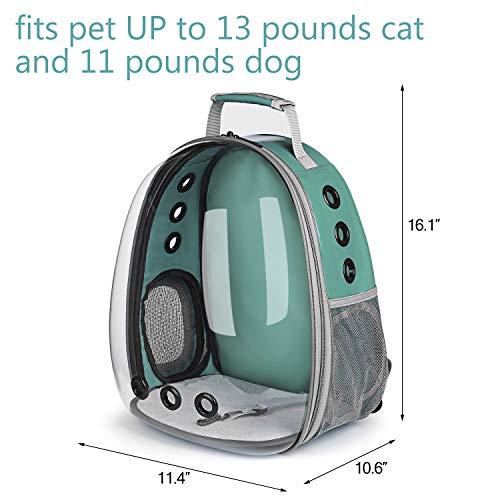
This bubble backpack is large enough for your cat to sit, lay, or stand so long as it isn’t larger than the recommended size of 13 pounds (5.9 kilograms). For jet-setting cat owners, this pet carrier backpack is airline approved.
This pet carrier backpack can get quite warm on hot days, so be sure to place a small ice pack in it with your cat to ensure they aren’t overheated.
Pros
Cons
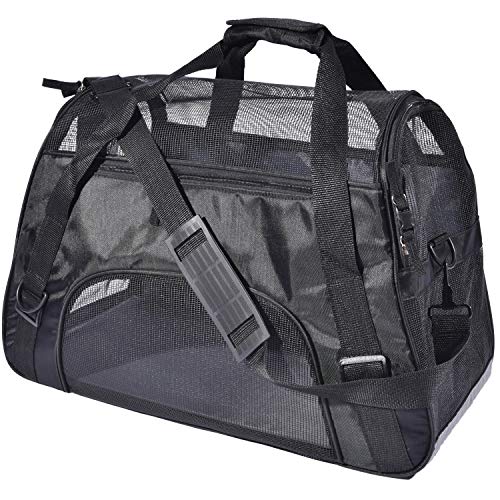
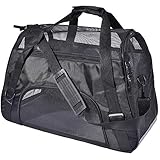
The PPOGOO Travel Carrier is ideal for transporting large or multiple small cats thanks to its weight capacity of 22 pounds (9.8 kilograms). This sizable carrier has plenty of space for cats to play while inside of it, and there is a respectable amount of room for your cats to lay, stand, or stretch.
This waterproof and easy-to-clean carrier has ample ventilation, and it folds down for easy storage. The PPOGOO Large Pet Carrier is airline approved, and there are two ways you can carry it: on your shoulder with the adjustable shoulder strap that is also padded, or in your hands like a suitcase.
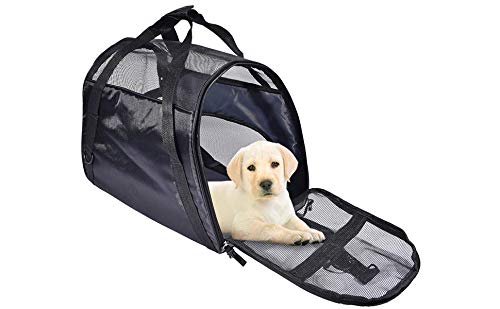
Despite being made of mesh material, this large pet carrier can hold its shape and it will not collapse even when toting larger cats. One side of this carrier zips open so that you can easily place your cats into this carrier. The floor of this carrier is padded for ultimate comfort.
One downside to this carrier is that like most soft pet carriers, this one is easy to escape if you have a determined cat. This carrier is most suitable for laid-back cats that do not mind being in confined spaces.
Pros
Cons
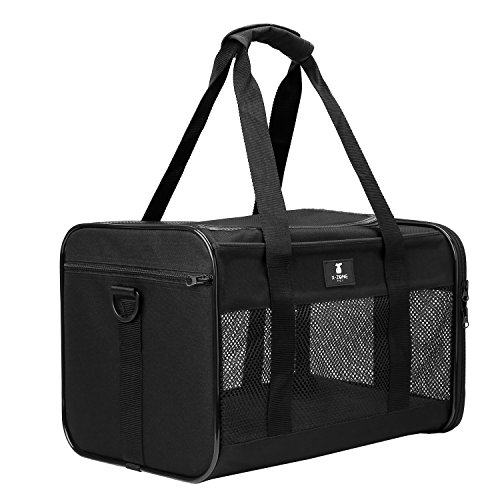
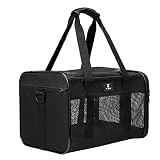
The X-ZONE PET Pet Travel Carrier has a weight capacity of 16 pounds (7.26 kilograms). This pet carrier is airline approved, and it fits under most airline seats. The mesh windows on this carriers provide ample ventilation for your car, and the base of this carrier is removable. There is also a removable fleece cat bed included with this travel carrier.
The removable pieces are hand washable and easy to clean. An adjustable shoulder strap and two handles are attached to this carrier to make transporting it easy. There is also a back strap attached to this carrier that you can use to secure it to your rolling luggage to make transporting it even easier.

This carrier comes in two sizes: Medium and Large. The large carrier can hold cats that weigh up to 20 pounds (9 kilograms).
Warning: Before buying this carrier, measure your cat to ensure they will fit. This carrier runs small length-wise so even if your cat is within the weight limit, they may still be too large for this carrier if they are long.
Pros
Cons
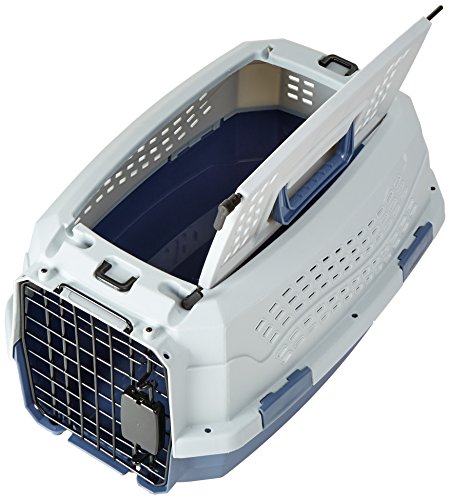
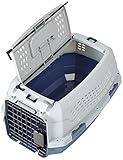
The AmazonBasics Two-Door Top-Load Pet Kennel opens on both the left and right so that you can easily place your cat in it. This kennel comes with screws so that you can reinforce it on both the top and the bottom.
The front door of this kennel is made of steel-wire to ensure the safekeeping of your cat, and the shell of this kennel is made from durable plastic. This 23-inch kennel has a spring-loaded latch so that it can be opened easily, and the top, sides, and back of this kennel has holes for ventilation.

A common complaint about this carrier is that the top isn’t sturdy. I highly recommend taking the time to insert the included screws to ensure the top of this kennel is reinforced.
Pros
Cons

The SportPet Designs Foldable Travel Cat Carrier has a patented side-opening door that is extra-wide and designed for cats to walk into the carrier. This extra-wide side door is also removable.
This extra-large carrier is easy to clean, and it has a weight capacity of 35 pounds (15.9 kilograms). The SportPet Designs 24-inch waterproof pet bed is compatible with this carrier, and this carrier folds flat for easy storage.

One thing to consider before buying this carrier is that it can be flimsy. The clasps and sides of this carrier are not as sturdy as they should be, and this oversight can cause this carrier to collapse on your cat or force your cat to fall out.
Pros
Cons
Buying Guide
If you need a cat carrier that can transport your cat while you’re using your hands to do other things, then the Lollimeow Pet Carrier Backpack may be best for you.
The PPOGOO Large Pet Travel Carrier is a great one to choose if you need a large carrier that is easy to clean. It is important to remember that this carrier is easy to escape though.
The X-ZONE Pet Pet Travel Carrier is the best value carrier on this list. This cat carrier is large, affordable, and easy to transport. If you fly frequently with your cat, then this carrier may be the best one for you.
The AmazonBasics Two-Door Top-Load Pet Kennel is one of the most affordable ones on this list. This carrier is ideal for those who struggle to load their cats into their carriers. It is important to remember that this kennel requires assembly, though.
The last carrier on this list, the SportPet Designs Foldable Travel Cat Carrier, is the most controversial carrier listed. Pet owners either love or hate this carrier, there is little in between.
The SportPet Designs carrier has the largest weight capacity of any carrier on this list, but it is important to remember that this carrier isn’t very sturdy, and its top can collapse on your cat.
Frequently Asked Questions
Is it OK to put two cats in one carrier?
Yes, you can put two cats in one carrier, but make sure your cats have plenty of room to fit comfortably.
What size carrier should I get for my cat?
The carrier you get for your cat should be sturdy enough to hold their weight so pay attention to the weight limit of the carrier you buy.
Your cat’s carrier should also be large enough for them to move around. Your cat should be able to lay, stand, and sit in any carrier you buy for them.
To ensure you get a carrier that your cat can move around in, be sure to measure your cat and compare their measurements to the dimensions of any carrier you buy. It is especially important to pay attention to the length of your cat and their carrier.
Your cat’s carrier should be at least a few inches longer than they are.
Do cats prefer hard or soft carriers?
Cats do not share a universal preference for hard or soft carriers. Some cats prefer a hard carrier while others prefer a soft one. It depends on the individual cat.
If you have more than one cat, then I recommend buying both a hard and a soft carrier and letting your cats decide which one they want. If all of your cats share a preference, then you can return the carrier-type that they do not enjoy and be sure to get more of the type they like in the future.
How long can my cat stay in a carrier?
It is safe to keep your cat in a carrier for up to six hours, but you should let your cat out to stretch, drink water, and do their other business when they need to. How long you cat will stay in its carrier will ultimately depend on them.
Many cat owners understand the frustration of trying to get their kitty into a carrier, only for their kitty to throw a massive tantrum. There has to be a way to get your cat inside without the feline hysterics or the clawed-up hands, right?
Right!
You can train your cat to tolerate the cat carrier. Unfortunately, this won't help you much on the day of a vet appointment. But you can follow these guidelines so that when your cat does need to travel, the experience isn't painful or stressful.
One big mistake that many pet owners make is hiding the carrier. They shove it in the back of the closet or place it on a high shelf in the garage. When they take it down, the cat knows something bad is about to happen.
If you act like the carrier is a big secret, or you have to force your cat into it, your cat will remember. It's easy for cats to form negative associations in their minds. When every experience they have with the carrier is negative, they'll start to see it as a stressful object.
The best way to counter this is through positive reinforcement. Instead of making the carrier a scary thing, make it a good thing instead. Leave it out where your cat can easily see and interact with it, so that your cat gets used to it. Then turn it into a kitty hotel.
Chances are, you have cat beds or boxes or trees set up for your furry friend already. Cats like to have comfortable, enclosed spaces within their territory. The carrier can function as one of these. If you take the door off, set a cushion inside, and put the food dish near it, then your cat will have a free lounging paradise.
That alone goes a long way to stop the stress of the carrier. But you can go a step further with a method called counterconditioning. This method is especially effective if your cat already has a distaste for the carrier.
It's simple enough to employ. Every time the cat goes near the carrier, give them a treat. This helps them to associate the negative thing with something positive instead. Over time, they'll have more positive associations than negative ones. And in the meantime, the reward is a good motivator for your cat to do the tough thing.
How can I calm a stressed cat?
There are a variety of ways to soothe an anxious kitty. The best ones will vary depending on the circumstances and the cat in question. First and foremost, it's important to understand certain aspects of feline behavior. Cats don't think like humans do, and you might not intuitively create a cat-friendly environment.
A cat needs a certain amount of freedom to feel safe. If they feel cornered or trapped, they'll get upset. Cats need to be allowed space when they don't want to socialize, and they need room to approach humans on their own terms.
One good tip for adapting your environment is to create vertical spaces for your cat. Empty shelves along the walls can be good climbing areas, and a vertical perch lets your cat survey a room without being caught up in the action.
Most people instinctively reach for cats to calm them. They believe that stroking the cat will soothe the anxiety. But the best thing that you can do for a stressed cat is give them space. If you try to touch an anxious kitty, they may panic.
Instead, leave the cat alone. Put some physical distance between your bodies. You'll want to be aware of where your cat is, of course, but it's important that they can decompress and then venture out when they choose to.
After a cat has become less stressed, you can bond by engaging in distanced play. Again, don't approach directly or reach for the cat. Use a long-distance toy like a fishing rod or a rolling ball. Once the cat is confident that there's no more danger, they'll happily engage in the activity.
What are signs that my cat is stressed?
Cat body language can be hard to read, especially if you're used to the more obvious body language of dogs. Cats tend to be more subtle, and it's important to understand their stress signals.
A twitching tail tip is a sign that a cat is irritated, unhappy, or tense. If the cat isn't given space to calm down, they might become stressed. Cats might also flex their claws as a self-defense measure, even if you don't see anything threatening in the area.
Cats who feel unsafe tend to hide as well. It's common for a cat to crouch low to the ground or to squeeze into tiny, hidden spaces. This helps them to feel protected from any predators or threats in the environment. Cats like being in enclosed areas where they can see everything that's happening outside.
When cats are stressed or feel like their territory is threatened, they might spray the walls or the floors. Fixed cats usually spray due to stress, while unfixed cats tend to spray much more frequently due to hormones.
What is the best way to put a cat in a carrier?
It's easiest to pack your cat into a carrier if you've gotten them used to the carrier's presence. For cats who willingly go in and out of their carrier, try putting treats inside to entice them in.
The process is a little more complicated when your cat won't willingly enter the carrier. At that point, it's best to follow these steps:
- Pick the cat up and place them down in front of the open door with their rear end pointing into the carrier.
- Hold one hand around the kitty's ribcage.
- Use your other hand to press your palm against the kitty's face, forcing them to back inside.
- Once the cat is fully inside, keep your hand on them and use your other hand to close the door as much as you can.
- Carefully slide your hand out, then lock and bolt the door.
Whether you have to back your cat into the carrier or not, you should always double-check that the door is securely closed.
Is it safe to travel with a cat?
There are ways to safely travel with your cat as long as you prepare. But it is important to determine whether the trip is good for your cat. Cats aren't like dogs - they're much more likely to be stressed by travel. If you want your cat with you for leisure purposes alone, you might want to reconsider.
But sometimes travel is necessary. You might be staying with a relative for several months, or moving to a new place. There are ways to prepare so that your cat is safe throughout the journey, even if they find the travel stressful.
Here are some immediate safety concerns if you travel with your cat free to roam inside your car:
- The cat may bolt when you stop at a rest area or a convenience store.
- The cat may try to jump out of open windows when you stop to pay tolls or slow down around sharp curves.
- If the cat is anxious, they may have a hard time drinking enough water, which can lead to dehydration.
- Hot cars can be extremely dangerous for pets, even if you don't leave them for very long.
- Cats are very mobile and athletic creatures, and they may create dangerous distractions as you drive.
Cats like to stay in their home territory. They tend to be stressed by unexpected travel, changing environments, and upheaval. Even if you do everything you can, your cat is still likely to experience some stress.
The best thing you can do is be as prepared as possible. If you know every step of the journey ahead of time, you'll know exactly how to care for your feline friend along the way. In addition, a well-planned trip will calm you down, which is essential. Cats often pick up on their owner's emotional energy.
The trip itself might be the biggest thing on your mind, but you also need to consider the destination. It's vital that you stay somewhere that your pet will be safe. Make sure your hotel accepts pets. Confirm that any friends you stay with are pet-friendly. Ideally, stay in places where your cat won't have to interact with other animals.
What are some safety considerations when using a cat carrier?
It's important that the carrier be the right size for your cat. Some multi-cat households might be able to travel with two cats in the same carrier, but it's wise to have at least one carrier for every individual cat. That way, the kitties can have alone time if they get stressed.
You can make the carrier less scary by padding it with a familiar blanket, piece of bedding, or sweatshirt. The scent will help your cat feel at home inside, rather than feeling like they're in unfamiliar territory.
These are important safety considerations to keep in mind as you travel:
- Cat carriers should never be transported in the bed of a pickup truck. This is unsafe and exposes the animals inside to rain, dirt, and wind.
- The safest place for a carrier is in the cab of a truck or car.
- Cats should never be loaded into a moving van like they're just another one of the boxes. If the cargo shifts, it could crush the carrier and injure or kill the cat.
- It's important to make sure that the cat eats and drinks enough, especially since stressed cats get dehydrated easily. Pay attention to how much your cat pants, as this tells you whether they're dehydrated.
If you travel with a cat, there's a fair amount of important paperwork to get in order. You'll need your veterinary records and health certificate. It's important to keep these things, just like you keep your own medical documents.
Your cat's rabies vaccine must be up-to-date if you travel. Depending on the area you're traveling to, there may be additional government requirements. Many states in the US have differing laws regarding the transportation of pets over their borders.
If your cat is due for any vaccinations, it's best to have them completed at least two weeks before the trip. Traveling too soon after a vet visit can increase your cat's chances of getting sick.
Tape your cat's health records and certificates to their carrier. Your vet's phone number should be somewhere in the record, as this allows officials to verify the information.
You might already have a collar on your cat. If not, traveling is a good reason to use one. The tag should have your phone number written largely enough to read easily at a distance. Many lost cats find their way back to their owners because of the phone number on their collars.
If you'll be driving for more than a couple hours, have an old pet, or are moving to an entirely new location, it's best to have a flexible litter pan for every cat. You can put the litter pans inside the carrier prior to loading the cat. Having a litter pan helps ease your cat's territorial anxiety, and it encourages them to use the litter.
For people whose trips last less than two hours, your cat probably won't need to use the litter box. You can use an old sweatshirt or blanket to help them feel at home instead.
Can cats ride in cars without a carrier?
You may wonder about whether it's legal to travel with cats outside a carrier. In the US, it is legal for cats to be outside a carrier as long as certain rules are followed. The cat must be restrained, meaning that they aren't free to roam the cabin. They also cannot restrict the driver, so they can't sit on the driver's lap or under their feet.
Each state in the US has unique legislation regarding cats and distracted driving. In some places, you may be guilty of distracted driving if your cat freely roams your vehicle. Always check the laws of your state and any other states you'll be driving through.
As a responsible pet owner, it is important to restrain your cat. If they don't travel in a carrier, then they should be secured in a harness.
This is because of numerous safety concerns, including:
- An unsecured cat can be badly injured in an automobile accident.
- A startled cat may distract a driver, which can cause dangerous situations.
- Cats that are hit by airbags can be seriously injured, and some states will press animal cruelty charges.
- Cat harnesses and carriers have been proven to save the lives of pets in accidents.
Cat harnesses might be difficult to use if your pet isn't used to them, though. They work best for indoor cats who often go for walks on leashes outside. A cat who isn't used to a harness may struggle and potentially injure or strangle themselves. In these cases, a carrier is by far the safest and least stressful option.
You can also have a passenger in the car hold onto the cat. If a cat is held on someone's lap, that counts as a restraint. It is important to note that an unharnessed cat might still bolt if they get startled.
If a passenger holds the cat, the person should be someone that the cat is familiar with. You should know already that your cat is comfortable sitting on this person's lap for long periods of time.
How can I bring my cat to the vet if I don't have a carrier?
As with longer travel plans, you shouldn't drive with a freely roaming cat in your car. It's dangerous for human and feline alike. If you bring your cat to the vet without a carrier, you'll need another way to secure them.
A sports bag can sometimes work as a substitute carrier. This bag helps to secure your cat and keep them from bolting when you enter the vet's office.
As with longer travel, a harness is also a good option. A cat on a leash can walk right into the vet's office.
Docile and senior cats might be able to travel in a bed or basket. But if you decide to do this, you need to be certain that your cat won't get up. If your cat startles and runs around the vehicle, you'll be in danger.
If at all possible, it's best to bring a carrier to the vet, as this makes the vet's job much easier.
Final Verdict
If you’re interested in getting a carrier for your cat, then be sure to check out the products on this list for yourself.


